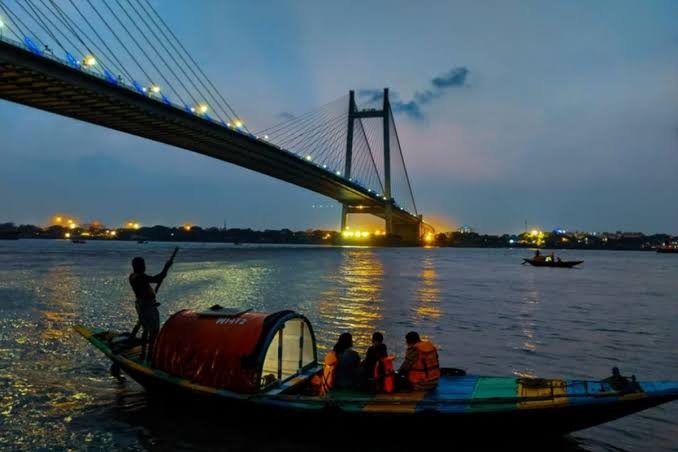
The West Bengal Tourism Development Department is spearheading a transformative leap in sustainable travel by procuring two state-of-the-art, one-hundred-passenger hybrid-electric ferries built by Garden Reach Shipbuilders and Engineers, marking the official kickoff of an ambitious eco-friendly river tourism initiative along the Hooghly River. Announced by Tourism Minister Shankar Ghosh during a special GRSE event, this milestone venture aims to bridge a historical gap in regional water transport by combining cutting-edge green mobility—featuring twin-hull catamaran designs, lithium-ion battery propulsion, solar-panel integration, and rigorous safety standards certified by the Indian Register of Shipping—with the state’s profound religious, cultural, and colonial heritage. The overarching vision centers on establishing an integrated tourism corridor dubbed “Little Europe by the Ganges,” which will seamlessly link Kolkata’s Babughat with spiritual sanctuaries such as Dakshineswar, Belur Math, Hanseswari Mandir, and Annapurna Mandir, while simultaneously highlighting the rich colonial history and freedom movement landmarks of Barrackpore, Serampore, Chandannagar, and Bandel. Beyond offering visitors a world-class sightseeing experience, the project is strategically engineered to serve as a powerful economic catalyst, generating vital direct and indirect employment opportunities for local boatmen, heritage guides, hospitality operators, and small-scale vendors situated along the riverbanks. To support this expanding waterway network, new jetties and specialized charging stations are being planned across key locations including Barrackpore, Serampore, Chandannagar, Hooghly, and Baranagar in close collaboration with the West Bengal Tourism Development Corporation Limited. Minister Ghosh emphasized that this cooperative synergy between a central public sector undertaking and the state government is designed to create a disciplined, modern, and sustainable tourism ecosystem that not only preserves fragile riverine environments and reduces carbon footprints but also unlocks the untapped economic potential of National Waterways-1 and 97. By transforming historic river routes into thriving hubs of commerce and eco-tourism, West Bengal is setting a pioneering benchmark for inland water transport across India, ensuring that future generations can explore the majestic Hooghly River responsibly while driving inclusive growth for communities residing along its banks.